The Gentle Antiseptic from My Childhood
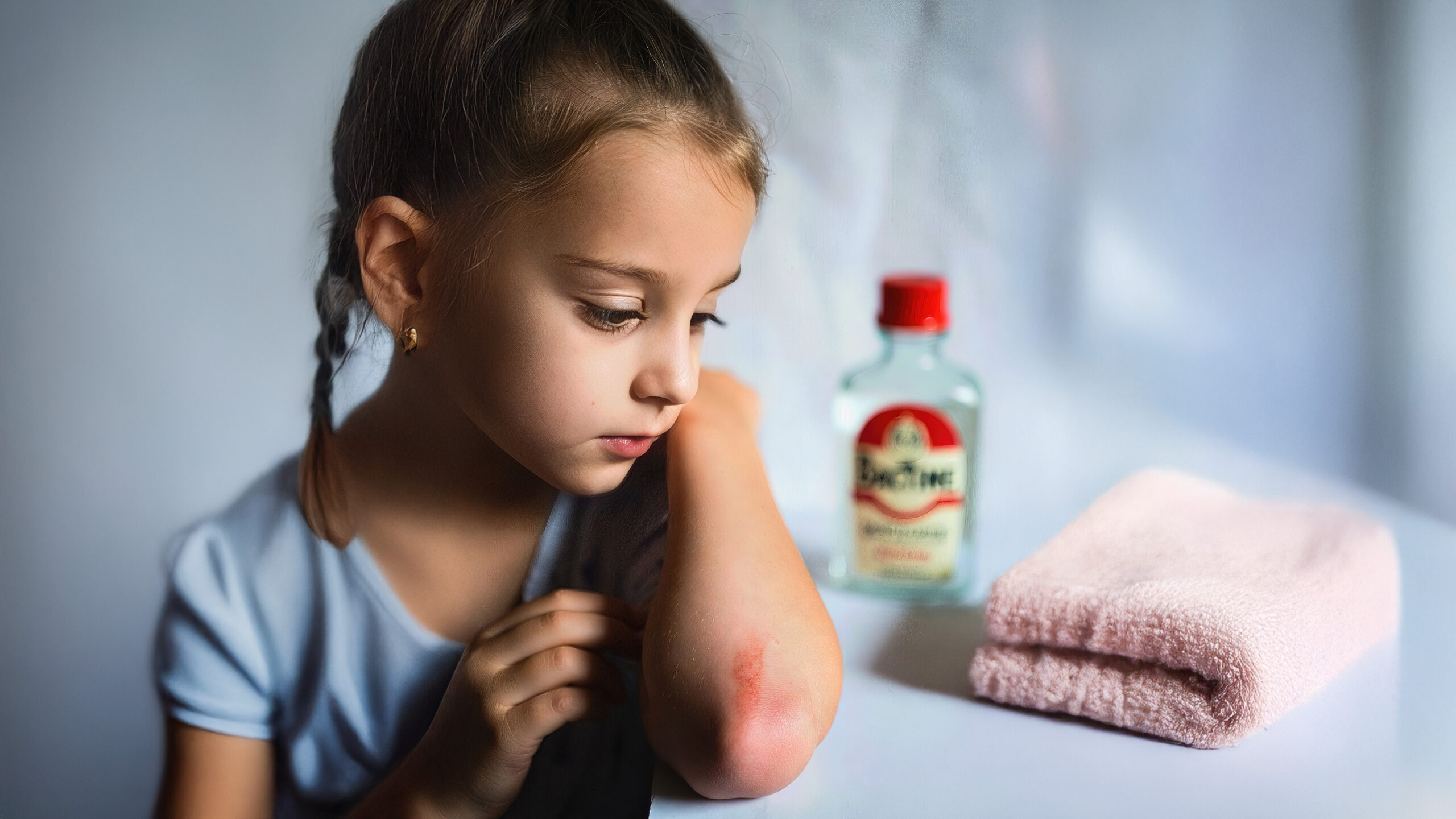
I remember my grandmother using Bactine and telling me how important it was when I was a little girl. Every time I came in from playing outside with a scraped knee or a small cut from climbing trees, she would reach for that familiar bottle in the medicine cabinet. “This kills the germs without the tears,” she would say with a smile. Those moments made Bactine more than just a product. It became a symbol of comfort and quick recovery in our home.
Gentle History
That gentle approach was exactly what made Bactine revolutionary when it first appeared. Developed by Miles Laboratories in Elkhart, Indiana, during the late 1940s, the product hit store shelves and was widely marketed in the 1950s. Early versions used ingredients like methylbenzethonium chloride or benzalkonium chloride, quaternary ammonium compounds that effectively killed bacteria without the harsh burn of traditional antiseptics. Families welcomed this innovation after years of painful wound-cleaning options. Advertisements from the era captured the relief perfectly, often showing happy children and relieved parents.
One classic 1955 print ad proclaimed “Gone is the fear of Hurting the Hurt” above photos of smiling kids. It highlighted how Bactine provided lasting germ-killing action for hours while remaining crystal clear and odor-free. Television commercials featured animated characters and cheerful jingles, driving home the no-sting message. By the 1960s and 1970s, Bactine had secured its place in households across America. Schools kept it in nurse stations, and parents trusted it for everything from playground scrapes to minor kitchen burns. The distinctive bottles, sometimes with pump sprays, became as recognizable as band-aids.
Evolution
Over the decades, Bactine evolved to meet changing needs. Bayer acquired Miles Laboratories in 1978 and refreshed the brand in the 1980s. Formulations improved with the addition of pain-relieving ingredients like lidocaine hydrochloride. Today’s Bactine Max products combine benzalkonium chloride (0.13 percent) for antiseptic power that eliminates 99.9 percent of germs with higher concentrations of lidocaine (up to 4 percent) for maximum numbing. Available as sprays, liquids, or gels, they address minor cuts, scrapes, burns, insect bites, and even sunburns. The convenient no-touch spray format minimizes contamination and makes application easy.
New Ownership
In 2015, WellSpring Pharmaceutical Corporation took ownership, keeping Bactine readily available in pharmacies. Beyond traditional first aid, it has found fans in unexpected places. Tattoo artists frequently use it during sessions for its cleansing and temporary pain-relieving effects. Some people with new piercings reach for it initially. Health experts advise caution for healing tattoos or piercings, however. Groups like the Association of Professional Piercers suggest saline solutions instead, as prolonged use of benzalkonium chloride or lidocaine might irritate tissue or slow recovery.
Today
Looking back, my grandmother’s reliance on Bactine makes perfect sense. It addressed a real problem in family health care by making treatment kinder and more effective. For over seventy-five years, it has soothed generations of minor injuries without adding unnecessary pain. From those childhood memories of quick fixes after adventures to its role in modern homes and studios, Bactine endures as a trusted staple. It reminds us that simple innovations can bring genuine comfort, just as it did for a little girl with scraped knees long ago.
Competition
Then there’s Neosporin, it’s competitor. But that’s a different story.
Comments are closed