Why It Persists in a New Form
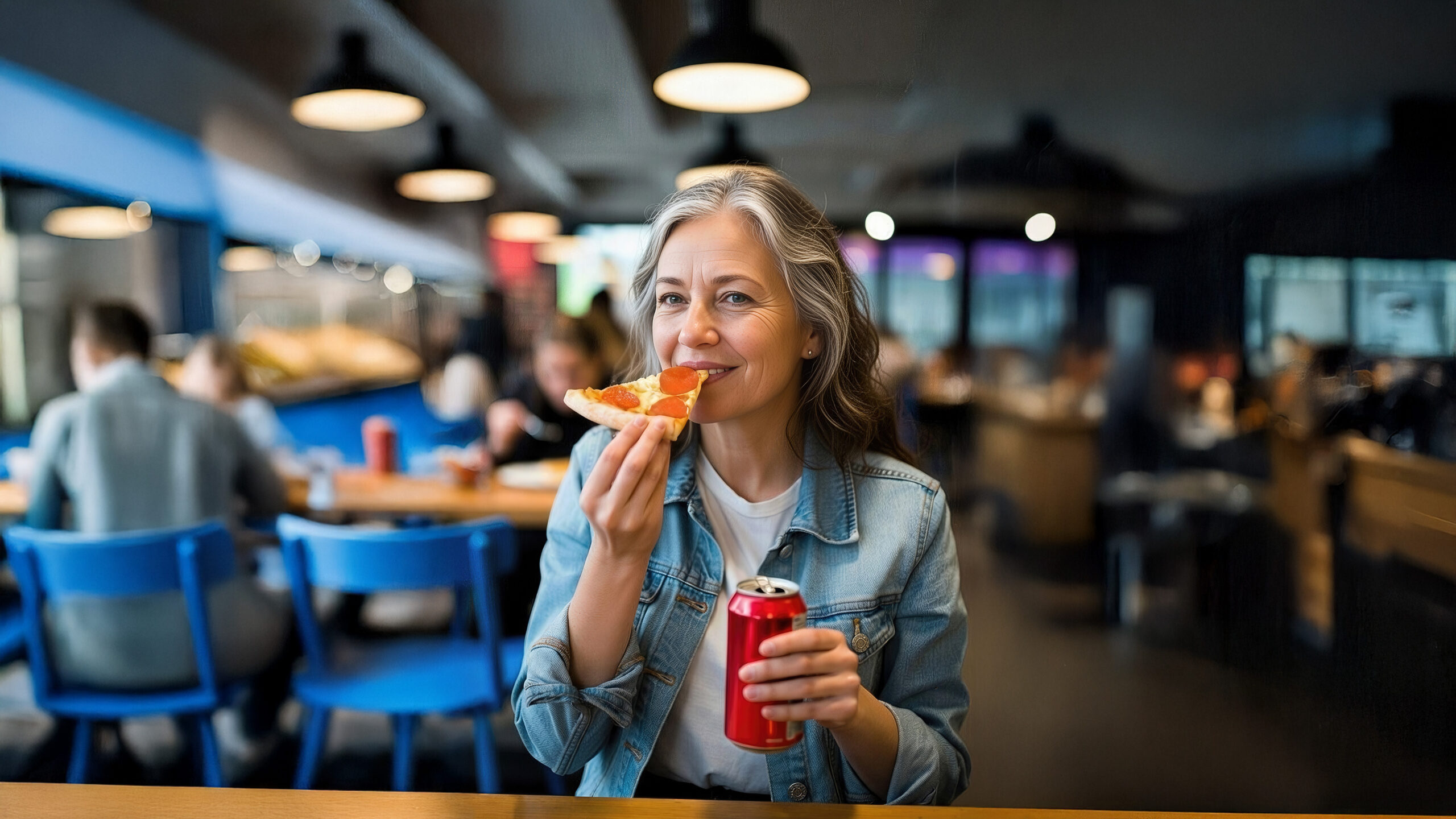
Remember my friend who lives on junk food? I worry about her. She is vibrant, always on the go with work, friends, and endless plans. Yet when I visit her place, the pantry tells a different story: bags of chips, boxes of sugary snacks, chocolate bars stacked high, and hardly a vegetable in sight. Quick grabs from drive-thrus or convenience stores fuel her days. She calls it comfort after long hours, but I see the fatigue that creeps in, the mood swings, the skin that could glow brighter.
Those short-term effects concern me, but the long-term risks sometimes keep me up at night.
Junk food has become the default in America, making up about 55 percent of calories in the average diet and even more for younger adults. Fast food alone accounts for roughly 15 percent of daily calories for people in their twenties and thirties, with one in three adults eating it every day. Salt, fat, and sugar engineer cravings that are hard to resist, especially when fresh options cost more and take more time.
My deeper worry ties to something larger: heart disease has not disappeared.
It has simply evolved. We have won huge victories against sudden heart attacks. A recent Stanford Medicine study shows that deaths from acute myocardial infarction have dropped nearly 90 percent since 1970, thanks to less smoking, better blood pressure and cholesterol control, statins, rapid emergency treatments, and procedures like stenting. What once killed quickly now rarely does; hospital survival rates for older adults now exceed 90 percent.
Yet heart disease remains the leading cause of death, claiming about one in four lives. The nature of it has shifted. In 1970, heart attacks caused over half of cardiovascular deaths. Today, they cause less than a third. Chronic conditions have taken over: heart failure, hypertensive heart disease, and arrhythmias now account for nearly half. People survive initial events but live with damaged hearts that weaken over time, leading to heart failure where the pump simply cannot keep up.
This evolution links directly to rising obesity and type 2 diabetes, both fueled heavily by diets rich in ultra-processed foods. Obesity rates have tripled since the 1970s, and diabetes has surged alongside. These conditions inflame arteries, stiffen the heart, promote insulin resistance, and double or triple the risk of heart failure, even without a classic heart attack. Diabetes, in particular, contributes to “stiff heart syndrome” and forms of failure that are harder to treat. Chronic high blood pressure, often worsened by salty processed foods, thickens heart walls and sets the stage for eventual decline.
My friend does not see herself heading toward these statistics. She feels young and invincible, grabbing snacks because they are there, cheap, and satisfying in the moment. I once suggested gentler swaps, like the homemade versions that mimic indulgence but actually nourish, the kind I wrote about. In stories I have heard, those changes worked for a while: energy steadied, skin cleared, moods lifted, bloat vanished. But relapse is common. Stress builds, convenience wins, the dopamine hit of engineered foods pulls stronger, and old habits return.
That cycle worries me because the consequences compound quietly. An aging population already amplifies chronic heart issues; adding metabolic strain from poor diet only accelerates it. Survivors of earlier eras now manage lifelong medications, devices, or advanced therapies, trading sudden death for years of managed limitation.
I don’t lecture her. Life is busy, and junk food culture makes resistance hard. Still, I hope she hears the concern beneath my words. Change does not need perfection. It needs small, sustainable shifts: better routines, accountability, stress management, a mindset that values feeling strong over fleeting comfort. As in that story, slipping back is human, but trying again, slower and smarter, brings real hope.
Heart disease has adapted to our medical triumphs, morphing into a chronic shadow. The same forces driving junk food dominance feed this new reality. My friend deserves to sidestep that path, to choose fuel that lets her thrive fully, not just survive. I worry, yes, but I also believe gradual awareness can rewrite her story, and maybe others’ too.
Comments are closed