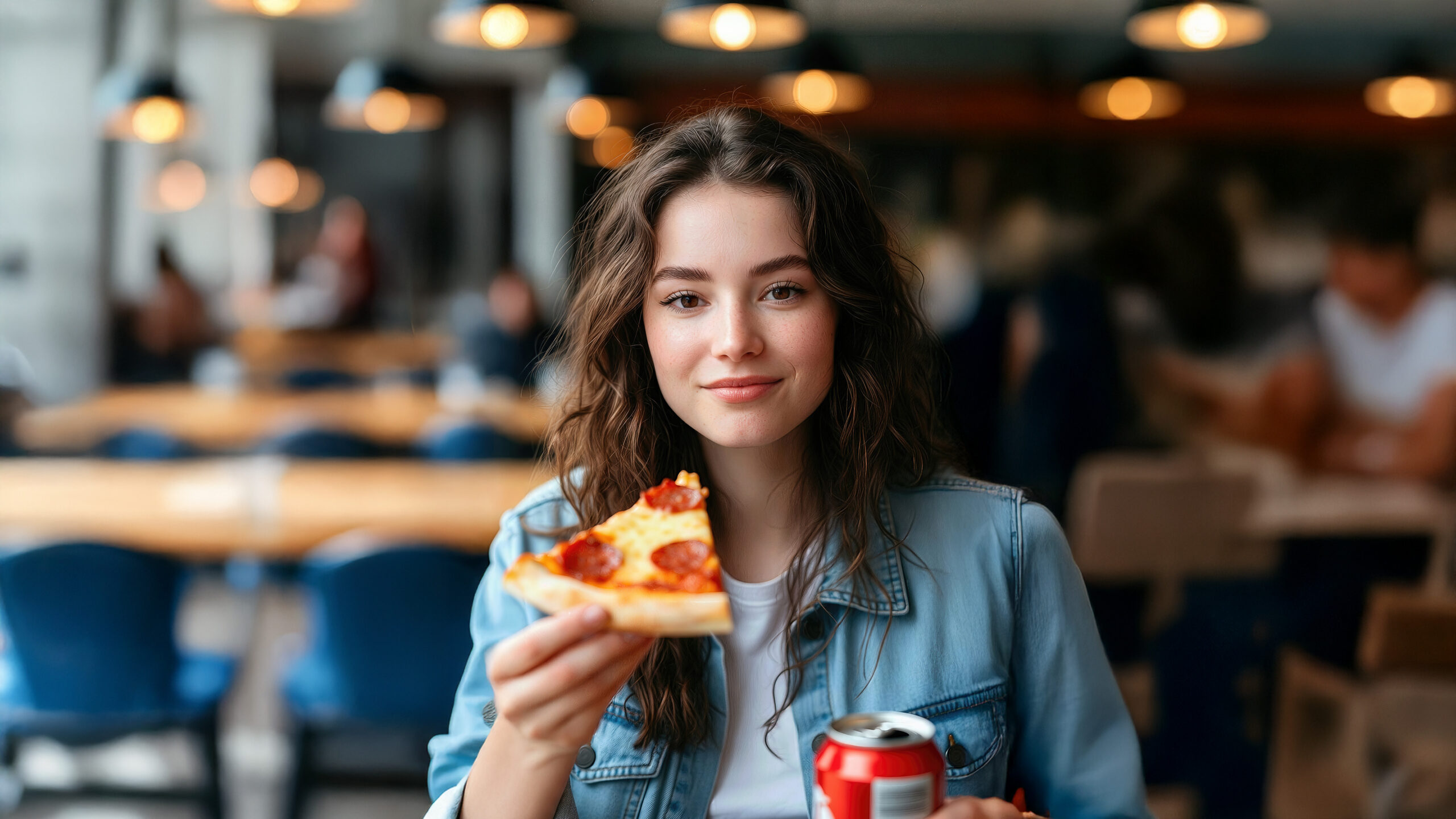
I was shocked!
After walking into my girlfriend’s new apartment, all she had was junk food. Because all she ate was junk food.
What She Eats
The pantry overflowed with bags of Doritos, boxes of Twinkies, and stacks of milk chocolate bars. The fridge held more chocolate and perhaps some soda. No vegetables, no real meals, just her go-to treats on constant rotation.
She is 26, beautiful, energetic, and always on the go. Like many of us in our 20s, she juggles a demanding job, social plans, and the endless responsibilities of young adulthood. Cooking felt like too much after long days. Junk food became her easy solution. Doritos delivered that satisfying cheesy crunch during late nights. Twinkies provided creamy sweetness for quick comfort. Milk chocolate offered a rich, melty escape from stress.
These choices started small: in college with study snacks or childhood rewards and grew into daily habits. The perfect mix of salt, fat, and sugar made them hard to resist. On tough days, they felt like self-care rather than survival mode.
A Pattern
This pattern extends far beyond her experience. In America, junk food dominates everyday life in ways unique to our culture. Drive-thrus line every street, vending machines fill workplaces, and convenience stores stock endless chips and candy. Busy schedules with long hours and commutes leave little time for home cooking. Aggressive advertising, from Super Bowl spots to social media influencers, normalizes these options as fun and essential. Recent data shows ultra-processed foods account for about 55 percent of calories in the average American diet for those age one and older.
Younger adults often consume even more, with fast food contributing around 15 percent of daily calories for those aged 20 to 39.
Roughly one in three adults eats fast food on any given day, with rates highest among the young. Our system makes processed foods cheap, quick, and ubiquitous, turning them into the default choice.
I noticed the effects on her: occasional fatigue, mood swings, and skin that lacked its usual glow.
A New Way of Eating
Instead of lecturing, I suggested keeping her beloved flavors while upgrading to versions that nourish her body.
She agreed to try.
She avoided drastic changes and focused on smart swaps that mimic the indulgence.
The results appeared quickly. She gained steady energy without afternoon crashes. Her skin cleared and radiated naturally. Moods stabilized, bringing more confidence and focus. Digestion improved, reducing bloat, and she felt lighter overall without strict dieting.
Three months later, I walked into her apartment. Junk food everywhere
The bags of Doritos, Twinkies, and chocolate bars had returned in full force. The homemade alternatives sat forgotten or unfinished in the fridge.
This relapse happens more often than people admit, and several factors explain why.
The initial excitement faded, and meal prep turned into another chore amid rising work stress and longer hours. When exhaustion hit, the effortless grab of store-bought junk felt easier than preparing swaps. Those foods are engineered to be hyper-addictive, triggering stronger dopamine hits that homemade versions cannot fully match long-term. Emotional triggers resurfaced without deeper strategies to address them.
In America’s convenience-driven environment, where junk food remains cheaper and more accessible than fresh ingredients, slipping back requires little effort. Sustainable change demands more than tasty alternatives; it needs built-in routines, accountability, stress management, and sometimes gradual mindset work.
She learned the hard way, but it opened honest conversations. Now she’s try again, slower and smarter, focusing on flexibility over perfection.
Comments are closed