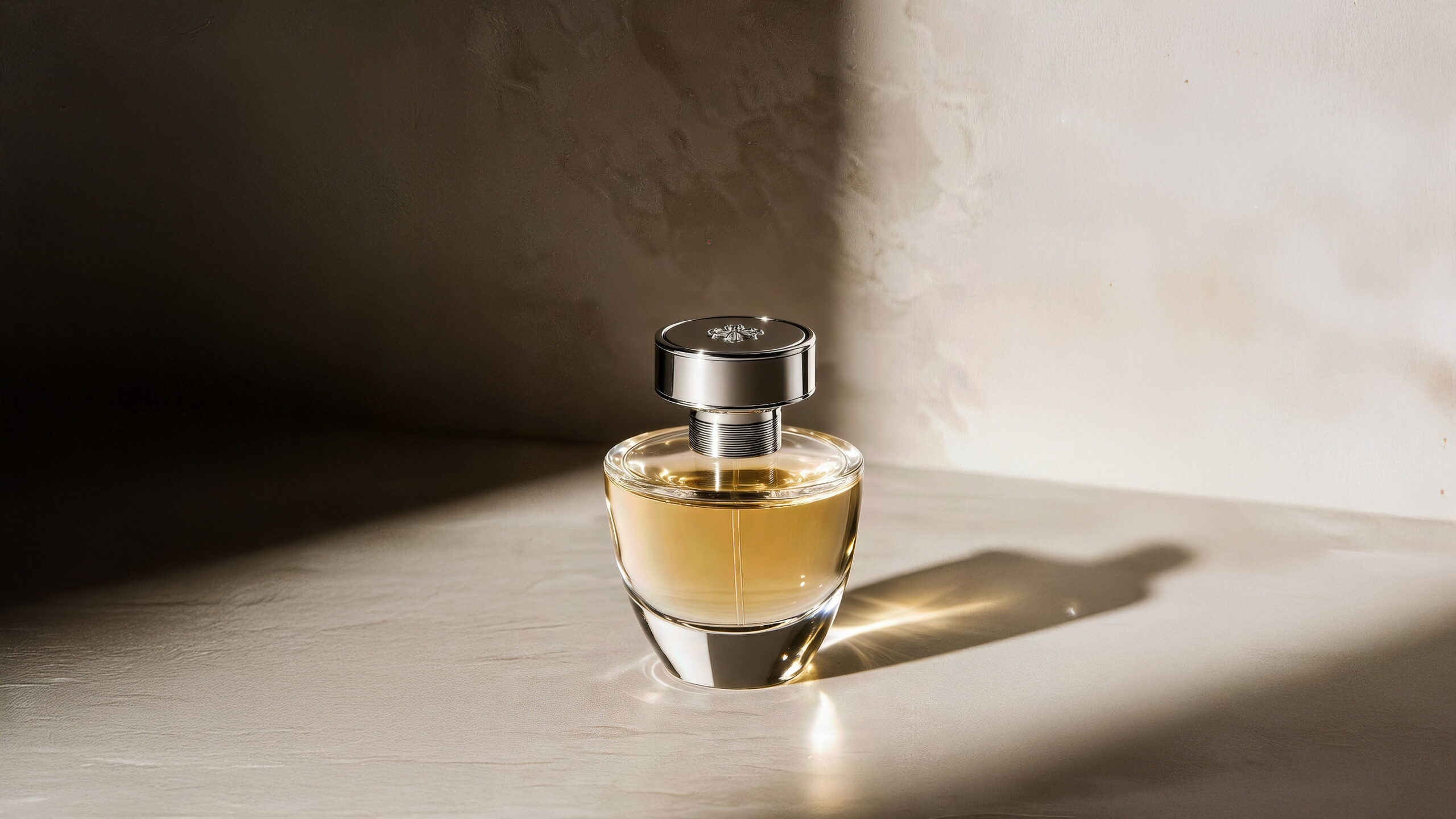
From Sacred Smoke to Irresistible Elixir
Imagine a curl of smoke rising from a temple altar, carrying secrets of the divine straight to the gods. That smoke, per fumum, “through smoke”, was the first perfume. For more than four thousand years, humanity has been chasing that intoxicating moment when scent transcends the ordinary and touches something deeper: power, desire, immortality.
What began as burnt offerings to appease angry deities has become a multibillion-dollar obsession that lives on our skin, in our memories, and in the air we leave behind when we walk out of a room. Perfume is not just chemistry. It is seduction, status, survival and sometimes scandal.
A Long Time Ago
The story starts in the cradle of civilization, in ancient Mesopotamia and Egypt around 3000 BC. In Egypt, fragrance was nothing less than a bridge to eternity. Priests burned kyphi, a dizzyingly complex incense of resins, herbs, honey, wine, frankincense, and myrrh shipped across treacherous seas from Somalia, to summon the gods. The same precious oils anointed pharaohs in life and preserved their bodies in death. Gods themselves were perfumers: Nefertem, the lotus-crowned deity, was said to have created scent itself.
Egyptians invented techniques we still use today. They pressed flower petals into animal fat, a method called enfleurage, to capture the fleeting breath of jasmine and rose. They carved exquisite alabaster jars and delicate glass vessels to hold these treasures. To smell divine was to be divine.
Then trade routes opened, and the addiction spread.
Greece and Rome
In Greece, perfume slipped from temples into bedrooms. Women and men alike slicked scented oils into their hair, skin, and clothes. Philosophers debated the nature of odor itself: Theophrastus wrote the first scientific treatise on the subject. By the time Rome conquered half the known world, fragrance had become an imperial extravagance. Public baths gushed rosewater from marble fountains. Emperors like Nero showered guests with petals from mechanical ceilings. Tiny glass unguentaria dangled from wrists, ready to anoint at a moment’s notice. But excess had its critics: Seneca grumbled that the overuse of perfume gave him headaches.
The Roman Empire fell, and Europe forgot how to bathe. Fragrance retreated until the Islamic Golden Age lit the fuse again.
Middle East and Asia
In the 10th century, a Persian polymath named Avicenna perfected steam distillation. Suddenly, delicate flowers like rose and jasmine could release their souls into alcohol instead of heavy oils. Lighter, brighter scents were born. Musk, ambergris, orange blossom flooded the markets of Baghdad and Cordoba. Perfume became part of daily hygiene and religious purity. These innovations traveled the Silk Road and waited patiently for Europe to catch up.
Europe
The Crusaders brought the spoils home. In a continent reeking from poor sanitation, strong scents were survival tools. Glovemakers in Grasse, France, originally perfumed leather to hide the stench of tanning then discovered the surrounding hills were perfect for growing jasmine, rose, and lavender. The leather trade quietly died; the perfume capital of the world was born.
Catherine de’ Medici arrived in France in the 16th century with her personal perfumer, René le Florentin, in tow. Rumors swirled that René carried poisons in secret compartments of his scent bottles. True or not, the Italian influence ignited a revolution. At Versailles, Louis XIV, the Sun King, demanded a new fragrance every single day. His court became the “cour parfumée,” drenched in scent from skin to furniture. Eau de Cologne, that crisp citrus wake-up call, swept Europe as an antidote to the heaviness.
Then came the 19th century and science changed everything. Chemists isolated molecules like coumarin (freshly cut hay) and vanillin (pure vanilla). For the first time, perfumers were no longer slaves to rare harvests. They could create consistent, impossible dreams in a laboratory.
The 20th century set perfume free.
In 1921, Gabrielle “Coco” Chanel asked Russian émigré Ernest Beaux to create “a woman’s perfume that smells like woman.” He gave her Chanel No. 5, the first fragrance built around synthetic aldehydes that sparkle like champagne bubbles over a heart of jasmine and rose. It was abstract, bold, revolutionary. Marilyn Monroe famously claimed she wore nothing else to bed. Suddenly perfume belonged to every woman, not just queens.
Estée Lauder’s Youth Dew in the 1950s turned scent into everyday luxury. Niche houses and celebrity fragrances followed, and today the industry balances mass-market blockbusters with artisanal creations that cost more per ounce than gold.
Yet perfume remains deeply personal. One whiff can transport us to a childhood garden, a lost lover, a moment we thought was gone forever.
From sacred smoke to modern elixir, fragrance has always done the same magic: it makes the invisible felt. And as long as humans crave beauty, memory, and mystery, we will keep chasing that next intoxicating breath.
Comments are closed