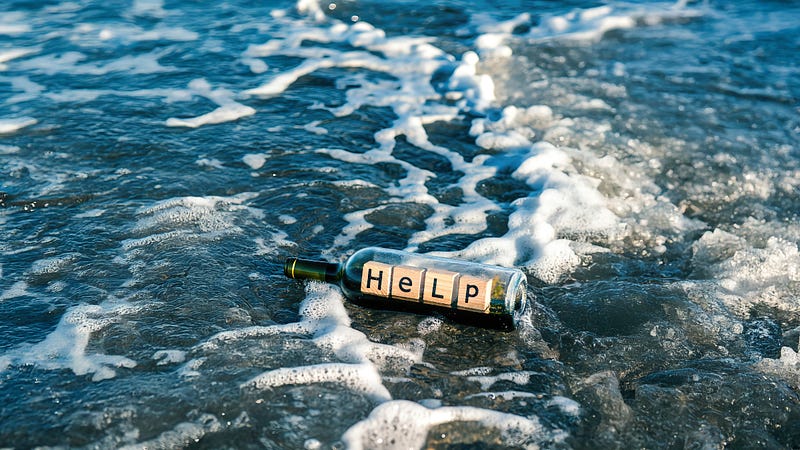
Help Thyself
You’ve probably felt it: that familiar rush when you crack open a new self-help title. The cover promises transformation. The first few chapters deliver a dopamine hit of insight. You highlight furiously, nod along, feel momentarily fixed. Then, weeks later, life looks suspiciously the same. The habits didn’t stick. The mindset didn’t shift. And somehow, there’s already another book on your shelf whispering, “This one will be different.”
It’s All of Us
It’s not just you. The personal development industry, valued at roughly $50–60 billion globally in recent projections, thrives on this exact cycle. Yet an increasing number of former enthusiasts are reaching the same conclusion: we don’t need any more self-help books or articles. The real breakthrough often arrives when you stop reading them altogether.
Why does the genre that sells endless improvement leave so many feeling perpetually incomplete?
Recycled Wisdom
First, the market is flooded with recycled wisdom. The core ideas haven’t changed much in decades: build habits, practice gratitude, face fears, visualize success.
What’s new is mostly repackaging: fresh anecdotes, celebrity stories, or trendy buzzwords layered over the same principles. When every book feels revolutionary but none delivers lasting change, consumption becomes the goal, not growth. You chase the high of “getting it” without ever fully applying it.
Loves Our Dissatisfaction
Second, self-help often profits from your dissatisfaction. Many titles begin by convincing you something is deeply wrong with you and then offer the cure: your mindset, your productivity, your vibration. The temporary motivation wears off, dissatisfaction returns, and you buy the next fix. It’s a brilliant business model, but a poor path to peace. As countless ex-readers have discovered, the more you optimize yourself, the more flaws you notice. True contentment rarely comes from another 300-page manifesto about becoming “your best self.”
Anecdotal
Third, most advice is anecdotal, not universal. What worked for a privileged author in their specific context frequently falls flat for someone else. Personality, circumstances, trauma, neurodiversity, and plain luck vary wildly. Pseudoscience, cherry-picked studies, or outright magical thinking fills the gaps. When the promised results don’t materialize, self-blame kicks in, feeding the very cycle the books claim to break.
Quit
The deepest irony? The most powerful “self-help” often happens after you quit the genre.
Many people report that stopping the constant input was the turning point. They finally picked one thing they’d learned across dozens of books (examples: going for a daily walk, speaking up in meetings, or setting a hard boundary) and did it consistently for months. No new reading. No shiny new system. Just unglamorous repetition in the real world.
Action always trumps consumption. Knowledge without application is just intellectual entertainment. And endless consumption creates paralysis: you’re always “preparing,” never starting.
This isn’t to dismiss quality work. Science-backed books on specific skills (cognitive behavioral techniques, emotional regulation, habit formation) or therapy-informed guides still offer genuine value. But the endless stream of generic, profit-driven content? We’ve accumulated more than enough.
If you’re reading this and feeling that familiar itch for “just one more” book, try a different experiment: declare a reading fast. Pick the single most repeated, practical piece of advice from everything you’ve already absorbed. Commit to it for 90 days, no exceptions, no upgrades, no new literature. Track it quietly. Watch what happens when the search for the perfect method ends and the messy work of living begins.
You might discover the most liberating truth of all: you’re not broken. You were never missing a secret technique. What you’ve needed all along isn’t more information, it’s permission to stop looking and simply do the thing you already know matters.
The revolution isn’t in the next bestseller. It’s in closing the book, stepping away from the screen, and taking the unglamorous first step you’ve postponed for years.
You’ve read enough. Now live it.
Comments are closed