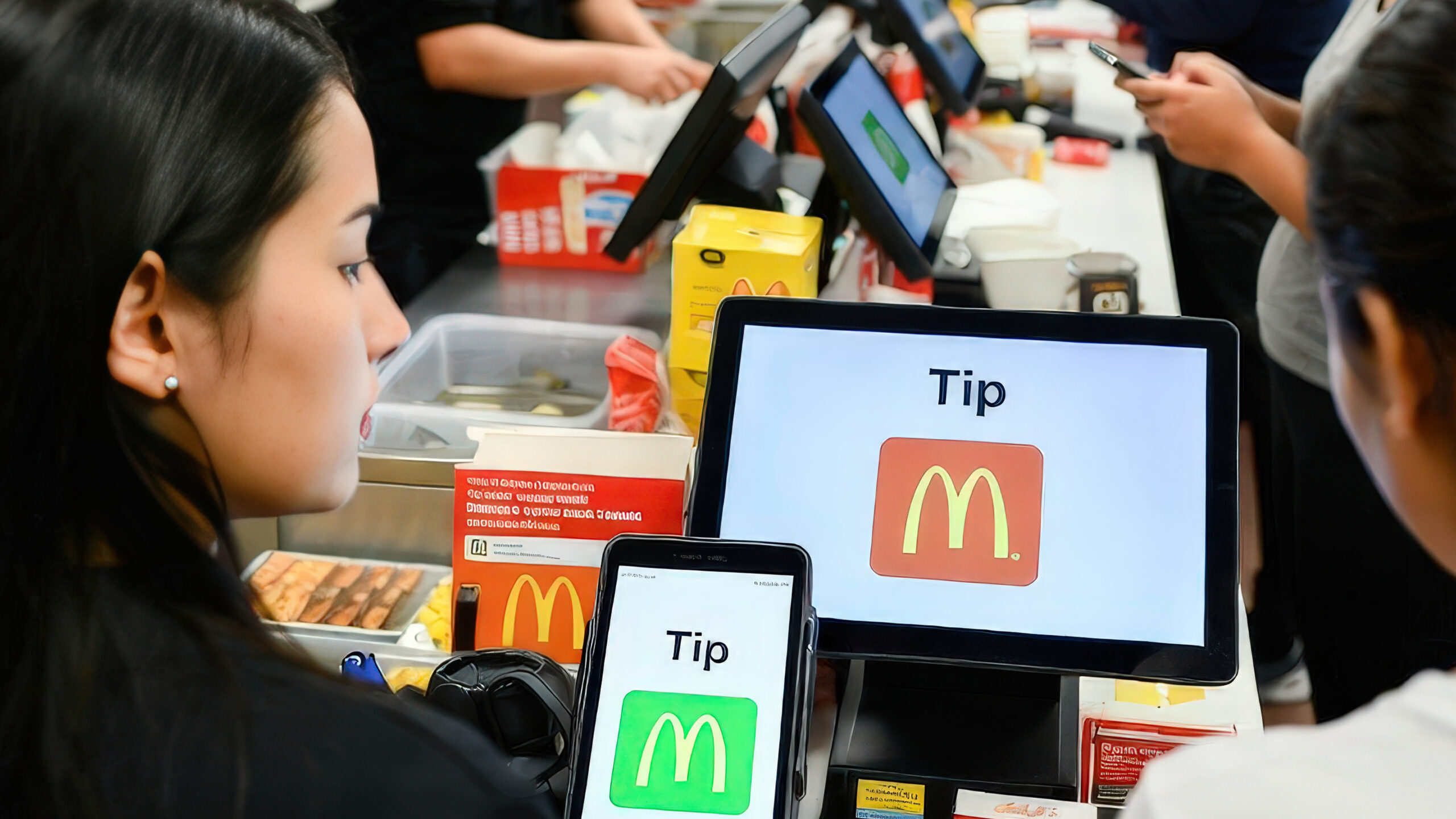
Tipping Has Become Out-of-Control
As we step into 2026, tipping culture feels more overwhelming than ever. Surveys from 2025 show nearly 9 in 10 Americans believe it’s “out of control,” with tip fatigue driving many to rethink old habits. Digital prompts now appear everywhere, from coffee counters to takeout apps, often defaulting to 20% or higher, even when service is minimal or self-serve.
The good news?
You can tip less thoughtfully and still be a kind, fair person.
Here’s how to do it confidently:
First, remember: tipping was originally a voluntary reward for exceptional service, not an automatic subsidy for low wages. The pandemic boosted generosity, but inflation and rising costs have made many consumers pull back. Average full-service restaurant tips hovered around 19% in 2025, but quick-service and non-traditional spots saw declines as people skipped or reduced gratuities.
Lean into this shift.
Start by setting personal guidelines. For sit-down restaurants with attentive servers, aim for 15-18% on good service, down from the 20%+ norm many feel pressured into. If the experience was average, 10-15% is reasonable. Poor service? It’s okay to drop to 10% or even less, never zero unless truly egregious, as workers rely on tips. Always base it on pre-tax amount and quality, not guilt.
Skip tipping in low-effort scenarios. No tip needed for takeout, counter service, self-checkout kiosks, or when you bag your own groceries. These prompts exist because businesses added them easily, not because etiquette demands it. Many people now select “custom” and enter $0 or a small flat amount ($1-2) without issue.
Support change where it matters.
Choose businesses experimenting with service-inclusive pricing (tips built into menu costs for stable wages) or those that removed aggressive prompts after backlash. Patronize spots that pay fair base wages, some states and chains are moving this way. Your dollars vote louder than any screen.
Tipping less isn’t selfish; it’s sustainable. With economic pressures persisting, consumers have the power to reset expectations. Workers deserve better pay, but that responsibility lies with employers, not your every transaction.
Tip intentionally: reward excellence, skip the obligatory, and save the difference.
Comments are closed