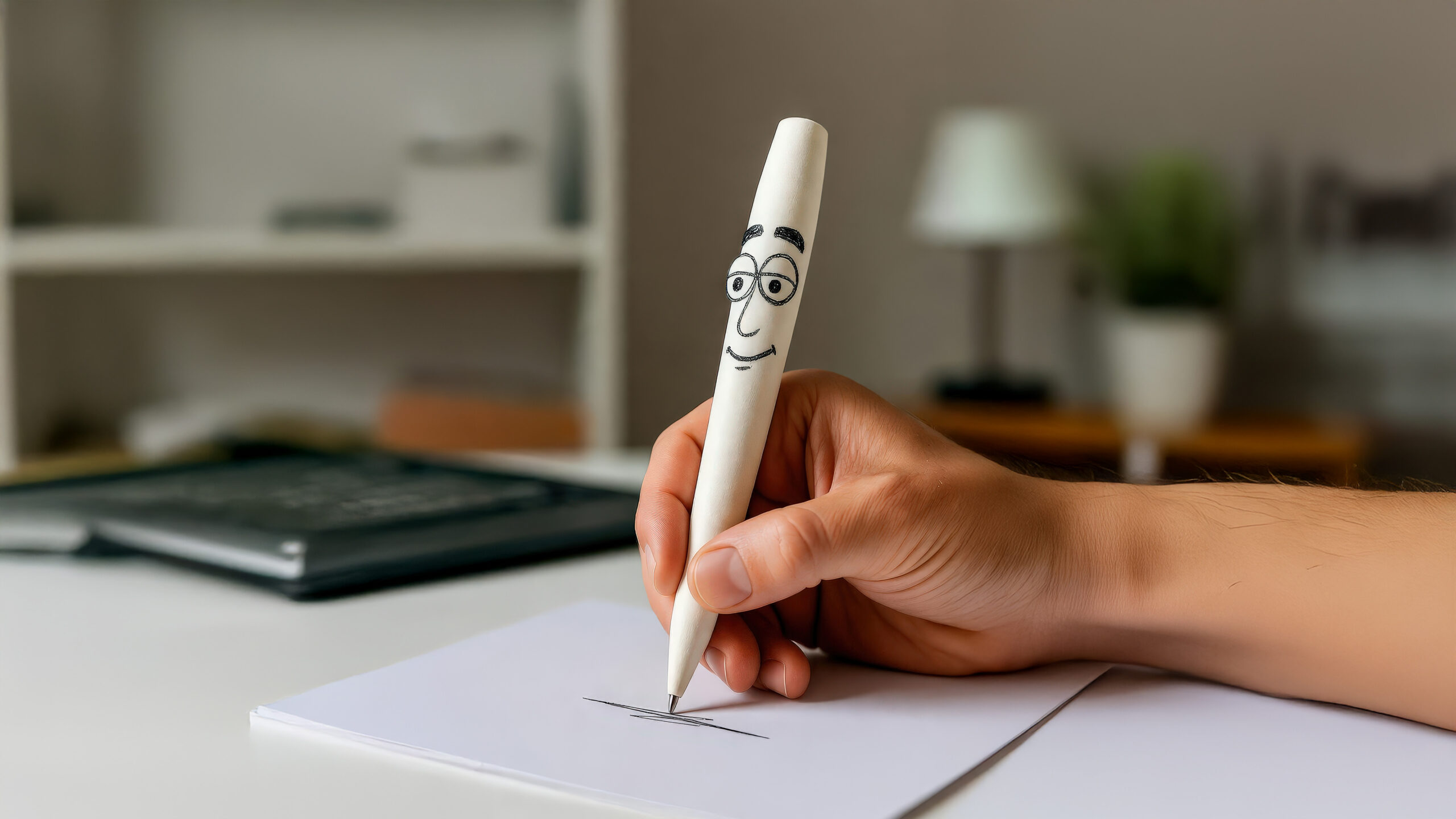
What is an Idiom?
Ever blurted out “it’s raining cats and dogs” during a downpour, or told a nervous friend to “break a leg” before their big moment? If so, you’ve dipped into the wild, wonderful world of idioms! These aren’t just random words strung together, they’re linguistic fireworks that explode with meaning far beyond the literal. An idiom is a phrase where the whole packs a punch that the individual words alone could never deliver. Think about it: “kick the bucket” has zero to do with soccer or pails. It means someone has… well, passed away. Idioms turn bland chats into sparkling conversations, adding spice, surprise, and a dash of cultural magic.
“Idiom” burst onto the English scene in the 1580s, originally meaning “a style of speaking unique to a group or region.” By the 1620s, it zeroed in on those special, non-literal expressions we know today. The term zipped over from French idiome in the 16th century, which borrowed it from Late Latin idioma (“peculiar way of speaking”). But the real roots go ancient: Greek ἰδίωμα (idiōma), from ἴδιος (idios), meaning “one’s own” or “personal.” How perfect is that? Idioms are like secret handshakes in language, private codes that make you feel instantly connected to fellow speakers. They’re the ultimate insider lingo!
So, why do we love sprinkling idioms into our talk? Imagine language without them: flat, factual, and frankly a bit boring! Idioms supercharge communication. They pack big ideas into bite-sized bursts, “raining cats and dogs” paints a monsoon better than “heavy precipitation.” They bring humor, drama, and emotion: a “piece of cake” task feels triumphantly easy, while something that “costs an arm and a leg” hits you with that jaw-dropping expense. Plus, they’re cultural time capsules, carrying echoes of history, folklore, and shared human quirks. When you use one, you’re not just talking, you’re bonding, entertaining, and expressing yourself with flair. They’re the reason conversations feel alive and memorable. Who wouldn’t want that?
Ready for some standout stars?
- Break a leg
Picture this: a performer backstage, nerves jangling. You whisper, “Break a leg!”, code for “Good luck!” Why the twist? Theater folk are superstitious; saying “good luck” straight-up was thought to jinx things. This gem popped up in early 20th-century stage slang, with a 1921 print nod from writer Robert Wilson Lynd. Legends say it ties to deep bows (“breaking” the leg line) or thundering applause pulling actors from behind the curtain “legs.” - Once in a blue moon
Something super rare? That’s “once in a blue moon”! It nods to the uncommon second full moon in one month (every 2-3 years). The phrase started in the 1800s for absurd impossibilities, an 1821 jab called something “blue moon” nonsense. Today, it blends astronomy with whimsy, though truly blue moons (from ash or smoke) are even scarcer. How cool is that celestial tie-in? - Spill the beans
Oops, secret’s out! “Spilling the beans” means accidentally (or not) revealing hidden info. Flash back to ancient Greece: secret votes used beans in jars (white=yes, black=no). Knock one over? Vote ruined early! This modern twist hit American English around 1910, maybe from racing lingo or that classic Greek mishap. Next time you gossip, blame the ancients! - Piece of cake
Easy peasy? It’s a “piece of cake”! Roots trace to the 1800s “cakewalk”, a playful dance by enslaved African Americans mocking fancy white steps, with cake as the prize. The effortless strut screamed simplicity and reward. Poet Ogden Nash sealed the deal in his 1936 poem. Suddenly, tough tasks feel deliciously doable! - Cost an arm and a leg
Wallet weeping? That pricey thing “costs an arm and a leg”! Born in mid-20th-century America, likely post-WWII, it flips war’s grim limb losses into sky-high prices. Similar sayings go back centuries, but this full version soared in the 1940s-50s.

Words by Carley
Half Baked
Idioms Around the Globe: The Hilarious, Untranslatable Magic of Other Languages!
Idioms aren’t just an English thing! Every language on the planet is packed with these quirky, figurative phrases that make perfect sense to natives but sound utterly bonkers when translated literally. They’re like cultural fingerprints: shaped by history, nature, food, animals, and everyday life in that part of the world. Direct translations often lead to pure comedy, which is why artists love drawing them literally for maximum laughs.
Just like English has “raining cats and dogs,” other languages have their own wild equivalents that rarely cross borders unchanged. Here are some absolute gems from around the world, complete with literal translations, real meanings, and their closest English matches. Buckle up; these are delightfully weird!
- French: Avoir le cafard
Literal: To have the cockroach.
Meaning: To feel down or depressed (like having the blues).
English equivalent: “Feeling blue.”
Why a cockroach? Old slang linked the scurrying, gloomy bug to melancholy moods. - German: Tomaten auf den Augen haben
Literal: To have tomatoes on your eyes.
Meaning: Not noticing something obvious right in front of you.
English equivalent: “Turning a blind eye.”
Imagine those juicy red tomatoes blocking your view: pure genius! - Spanish: Poner la mano en el fuego
Literal: To put your hand in the fire (for someone).
Meaning: To vouch absolutely for someone’s trustworthiness.
English equivalent: “I’d bet my life on it.”
It’s that intense level of confidence! - Japanese: Saru mo ki kara ochiru
Literal: Even monkeys fall from trees.
Meaning: Even experts make mistakes.
English equivalent: “To err is human.”
A humble reminder that nobody’s perfect, even skilled climbers slip! - Portuguese (Brazil): Pagar o pato
Literal: To pay the duck.
Meaning: To take the blame for something you didn’t do.
English equivalent: “Take the fall” or “be the scapegoat.”
Origin? Possibly from old games or bills: poor duck always pays!

Words by Carley
Eat Your Words
The Original “Meme” Connection
Back in 1976, evolutionary biologist Richard Dawkins coined the term “meme” in his book The Selfish Gene. He described memes as units of cultural transmission: ideas, behaviors, or styles that spread from person to person through imitation, just like genes.
Internet Memes: Idioms’ Playful Modern Cousin
Today, “meme” mostly means those viral images, videos, or phrases exploding across the internet. Here’s where it gets fun: internet memes love idioms. One popular format is illustrating idioms literally for hilarious effect, turning figurative phrases into absurd visuals that highlight how weird they really are.
Flip It: Memes Creating New Idioms
It goes both ways! Some internet memes spawn phrases that become so widespread they function just like modern idioms—fixed expressions with shared, non-literal meanings.
An iconic example:
- “This is fine” → From the famous dog sipping coffee in a burning room. Now used to sarcastically mean “I’m pretending everything’s okay in a disastrous situation.”
My Idiom Haiku
Bide one’s time wisely
Cherry blossoms bloom brightly
Spill the beans in spring
Idioms aren’t just words, they’re adventures in every sentence, bridging past and present while making you sound witty and worldly.
Comments are closed