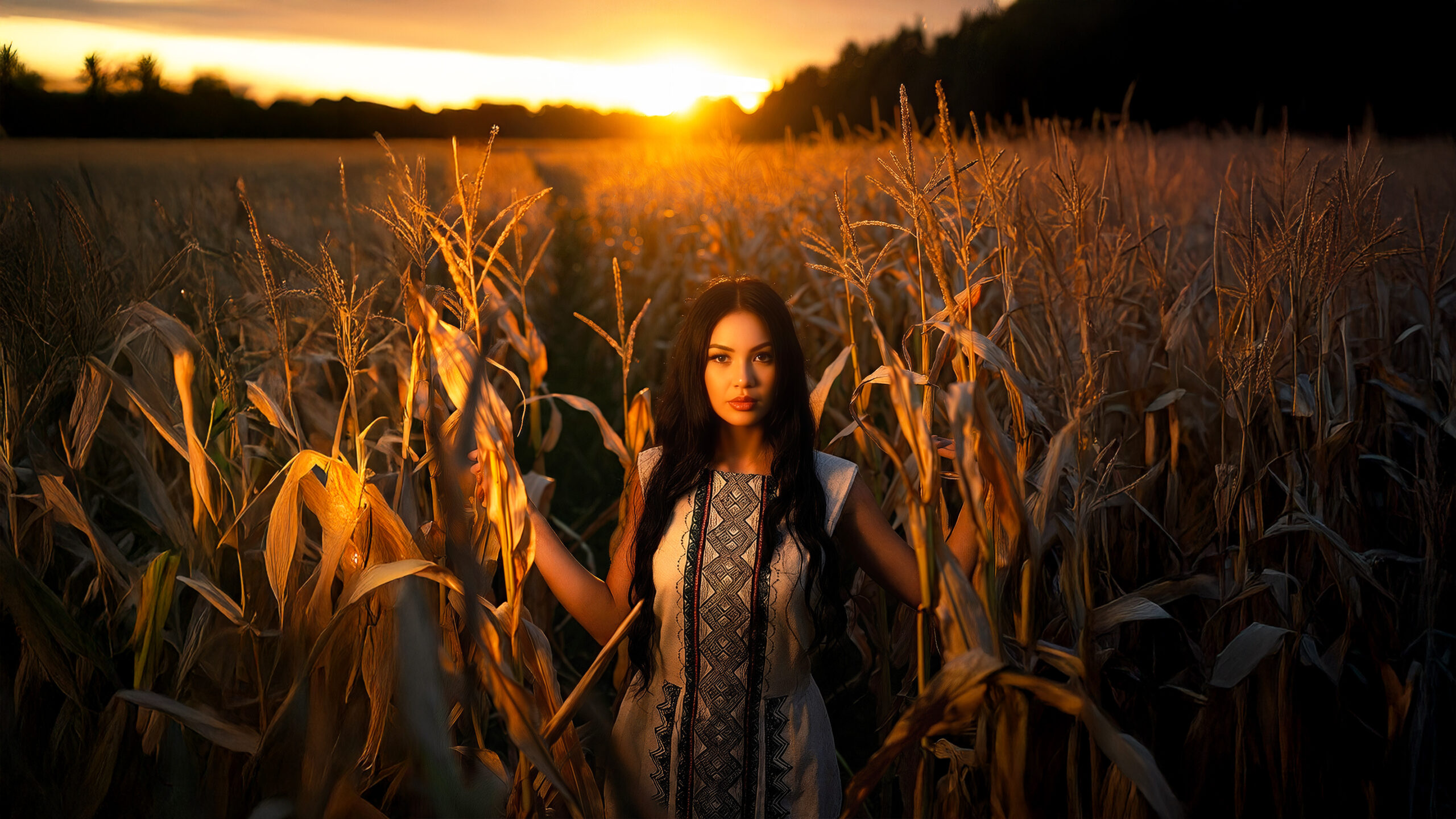
Imagine a Golden Respite
I remember my grandmother first telling me about the weather we were experiencing as an Indian Summer. It had gotten cold but then warmed right back up for a few weeks before winter really started. Have you ever stepped outside in late October, expecting a chill, only to be greeted by balmy breezes and golden sunlight? In my own life, that kind of surprise always feels like the magic of Indian Summer, a delightful weather quirk that turns autumn into a brief summer encore. This period of warm, dry days often follows the first frost, painting the landscape with hazy skies and vibrant leaves. Across the United States, especially in the Midwest and Northeast, it has always felt to me like nature’s playful wink before winter’s grip tightens.
But where did this enchanting term come from? I love diving into its story, woven with colonial tales, Native American echoes, and poetic flair.
Unearthing the First Whispers
Picture colonial America in the late 1700s, where settlers scribbled observations in journals amid untamed frontiers. The term Indian Summer first bloomed in print around 1778, courtesy of J. Hector St. John de Crèvecœur, a French-American farmer and soldier. In his “Letters from an American Farmer,” he painted a vivid scene: a “short interval of smoke and mildness, called the Indian Summer” bridging frost and snow.
Was he the inventor? Unlikely, as his words suggest it was already buzzing in conversations, much like the stories my family passed down.
Skip to the 1790s, and the phrase pops up in everyday logs. Soldier Ebenezer Denny noted in 1794: “Pleasant weather. The Indian summer here. Frosty nights.” By the 19th century, lexicographer Albert Matthews scoured old texts, pinning the earliest U.S. use to 1778 but spotting a coincidental English mention earlier. Newspapers and diaries from the 1820s cemented it in American lingo, turning a fleeting warmth into a shared experience that captured imaginations, including my own as I read those historical accounts.
Decoding the Mysterious Name
Why “Indian” in Indian Summer?
The puzzle has intrigued historians for ages, sparking theories as colorful as fall foliage. One idea ties it to Native Americans’ autumn hunts, when hazy skies from controlled burns or natural fog created perfect conditions for gathering winter provisions. Settlers might have learned of this warm spell from indigenous peoples, who shared survival wisdom, something that resonates with me as I think about cultural exchanges in history.
Another tale whispers of frontier tensions: warm days after frost allegedly lured Native warriors into raids on colonial outposts, branding the weather as deceptive. Or perhaps the haze mimicked smoke from distant campfires, evoking images of watchful tribes. Some even link it to Philadelphia’s old Native American fairs in November, where balmy days arrived with traders, as if they carried summer in their packs. Across the Atlantic, similar spells earned names like St. Martin’s Summer, tied to November 11 festivities. Yet the “Indian” twist remains uniquely American, a nod to early encounters between cultures on a vast, changing land, which I find deeply fascinating in my reflections on our nation’s past.
Weaving into Hearts and Stories
As the 1800s unfolded, Indian Summer leaped from weather reports into literature, becoming a metaphor for life’s unexpected joys. Poet John Greenleaf Whittier evoked “the Indian Summer of the heart,” a soul-warming glow after trials, which reminds me of personal moments of renewal. Oliver Wendell Holmes likened it to “the Indian summer of serene widowhood,” capturing peaceful later years amid fading vitality.
Culturally, it danced into folklore, extending harvest seasons for farmers and inspiring tales of abundance. In New England, settlers credited Native guides like the Wampanoag for tips on this warm window, perhaps fueling early Thanksgiving feasts. Families rushing to gather extra crops under sunny skies, turning potential scarcity into plenty, just as I’ve imagined in my own family stories. This blend of practicality and poetry made Indian Summer a beloved emblem of resilience.
Today’s Echoes and Evolutions
Indian Summer still enchants, but sparks thoughtful debates. Some see the term as outdated, potentially stereotyping Native Americans with notions of trickery. The American Meteorological Society suggests “Second Summer” as a neutral alternative. Yet for many, including myself, it endures as a harmless tradition, celebrating nature’s whims in places like New England. With climate shifts, these spells might grow erratic, adding urgency to appreciating them.
Could global changes redefine this autumn gift? I wonder about that in my quieter moments.
A Timeless Warm Embrace
Indian Summer is more than weather; it’s a story of cultures converging, seasons surprising, and humans finding poetry in the air. Next time warmth lingers in fall, pause: is this nature’s encore, or a whisper from the past? I always embrace it, because Indian Summer teaches us to savor fleeting beauty amid inevitable change.
No responses yet